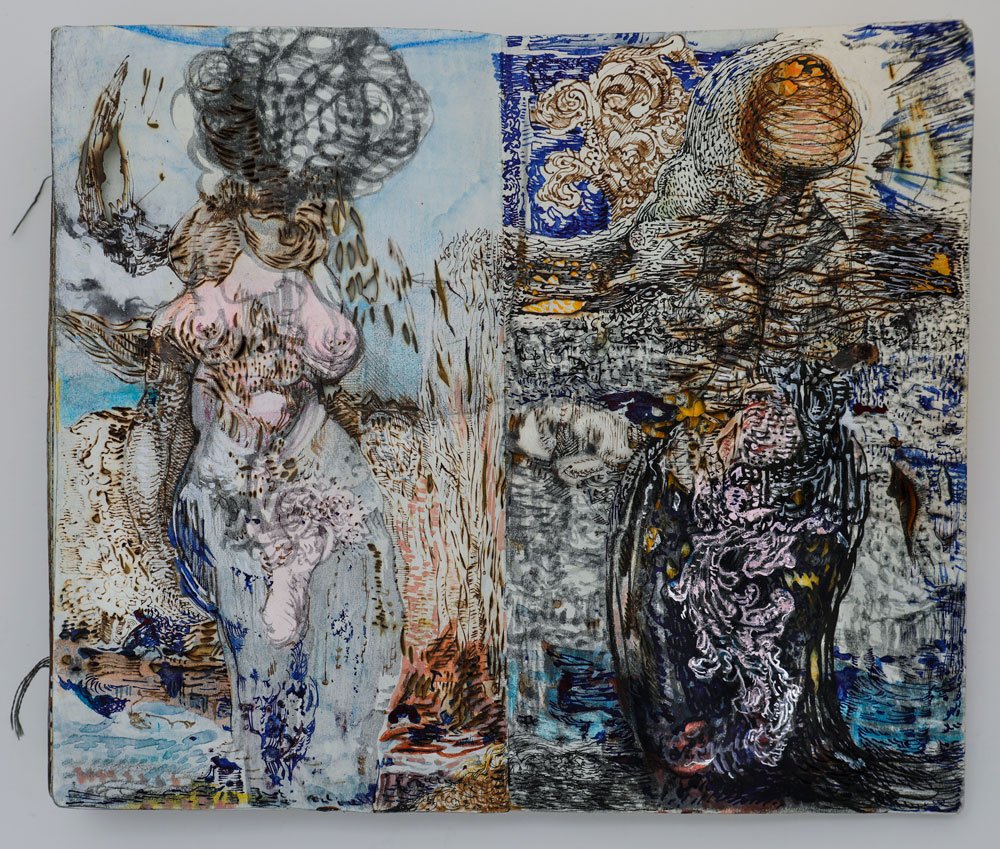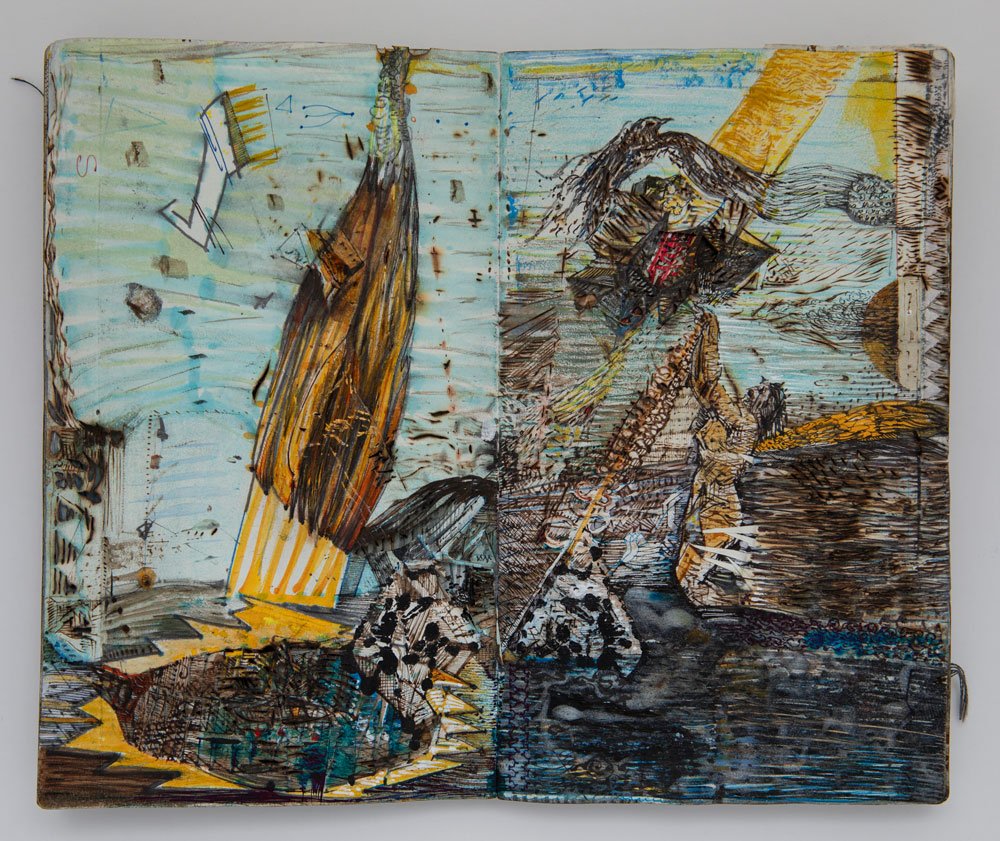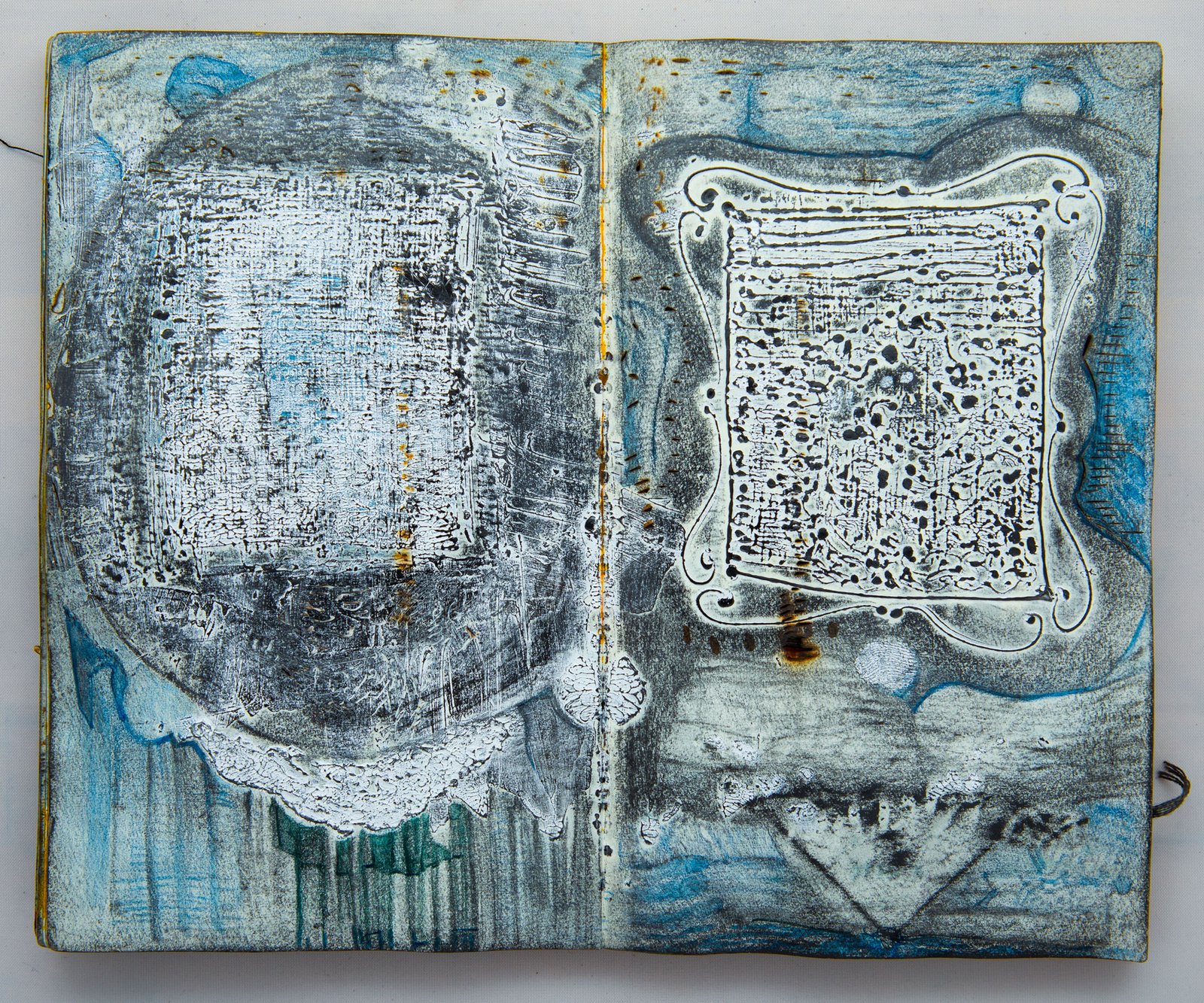
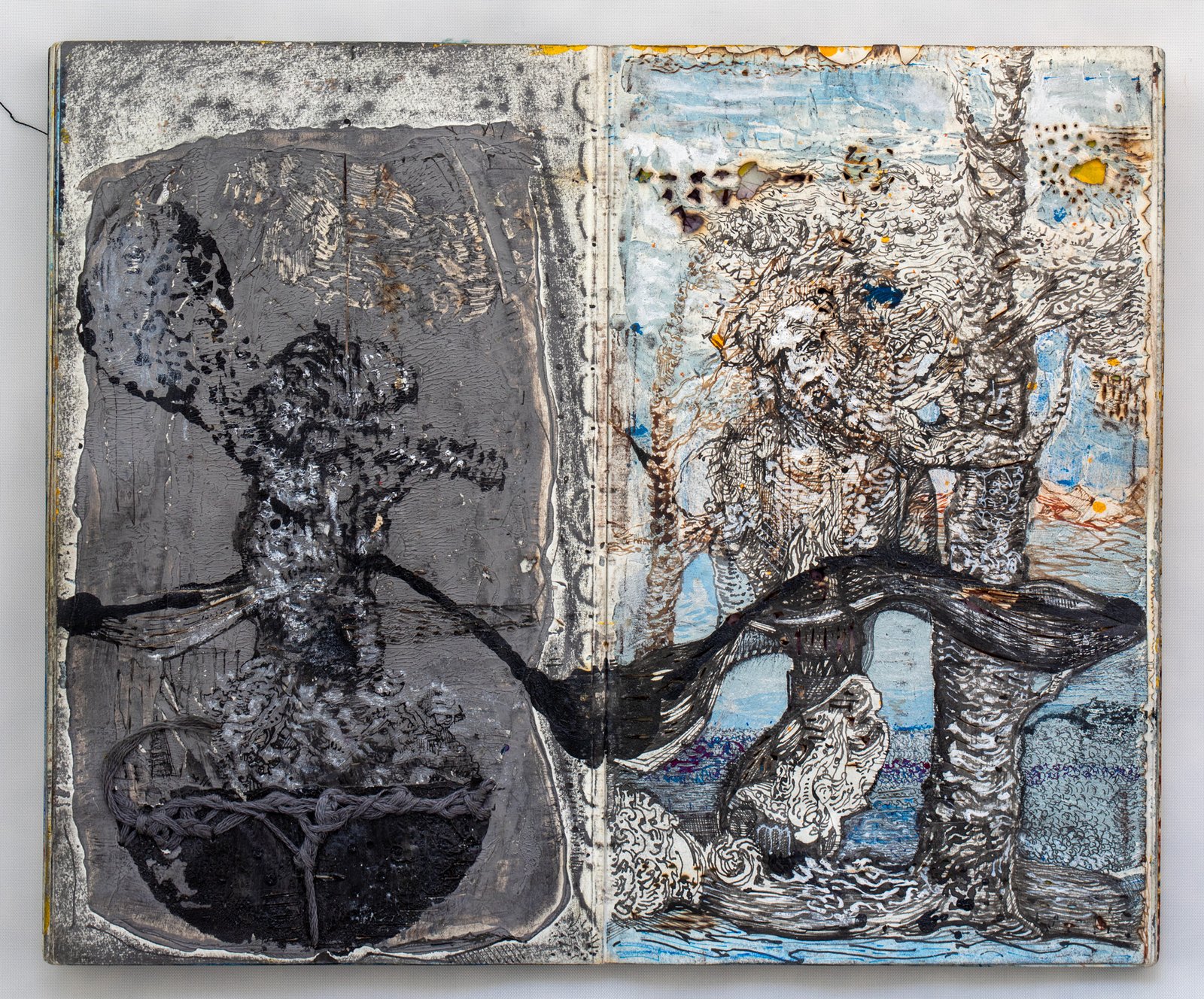
Art may function as a cognitive bridge between conscious and unconscious domains, acting as both a mirror and a tool for transformation. What makes this fascinating is how art intersects with neuroscience, language, and mythology, revealing truths about how humans process and transform inner experiences into external forms.
Here’s what’s particularly intriguing:
- The Neural Symphony of Creation:
Neuroscientific research suggests that creating art activates a unique interplay between the brain’s default mode network (DMN) and its task-positive network (TPN). The DMN governs introspection and daydreaming (often tied to the subconscious), while the TPN handles focused, externalized tasks. Art allows these two systems to communicate, which rarely happens otherwise. Could this explain why art feels so meditative yet purposeful? We could explore the idea that artmaking itself fosters neural integration—blurring the boundaries between internal and external realities. - Art as Embodied Language:
Like spoken language, art is a mode of expression—but with a key distinction: it operates in pre-verbal realms. This suggests that the shapes, colors, and textures you work with carry a kind of proto-language that precedes thought. Could this be why certain works of art resonate universally, bypassing cultural and linguistic barriers? Perhaps art encodes the archetypal blueprints of human experience—Jungian archetypes made manifest. - The Physics of Art and Myth:
In physics, certain patterns (like fractals) recur on all scales, from the atomic to the cosmic. Mythology reflects this in stories where humans and gods embody universal patterns. Similarly, in art, the gestures you make in your Buddhist Sketchbook might reflect cosmic rhythms, where every mark carries the fingerprint of the universe. Is this why art feels timeless and transcendent—because it echoes structures found in nature? - Art as Spiritual Technology:
Art could be thought of as a kind of spiritual tool, much like meditation. Where philosophy seeks understanding, art seeks transformation. The process of creation—not just the finished piece—may act as a ritual of individuation, allowing creators to synthesize disparate parts of themselves into a unified whole. This makes art both a psychological and spiritual practice, one that bridges the sacred and the mundane.
Art and Time Perception:
Neuroscience tells us that humans experience time subjectively, influenced by their focus and emotional state. When absorbed in creating art, time often seems to disappear. Could this “timelessness” be more than subjective? Maybe art connects us to an eternal now—a state where the psyche touches something infinite. This ties into mythology and religious experiences, where time often becomes fluid, and the divine feels accessible.